Collecting coins can be an enjoyable hobby, a way to preserve historical artifacts, and an opportunity to explore precious metals and collectible currency. Whether someone inherits a collection, discovers an unusual coin, or begins collecting as a personal interest, understanding the market is essential to making informed decisions. Working with experienced coin dealers gives collectors access to knowledge about coin history, condition, authenticity, and potential market value. Local professionals can also provide opportunities to examine coins in person rather than relying exclusively on photographs or online descriptions. These interactions help buyers and sellers ask questions, compare options, and better understand what makes particular coins desirable.
Understanding Coin Values Through Local Expertise
Determining a coin's value involves more than identifying the year printed on its surface or checking its denomination. Factors such as rarity, condition, mint marks, historical significance, demand, and precious metal content can all influence its market value. Experienced coin dealers can help explain how these characteristics affect a coin's desirability among collectors. For example, two coins produced during the same year may have different values because of variations in their production numbers or preservation. A professional can also distinguish between common circulation coins and examples that may attract greater collector interest. Market prices can change as buyer demand and broader economic conditions shift, so an estimate should reflect relevant current information. Local consultations give collectors an opportunity to ask specific questions about individual pieces and receive explanations they can understand. This knowledge helps people make more informed decisions when purchasing, selling, or organizing a collection.
Examining Coins in Person Before Making Decisions
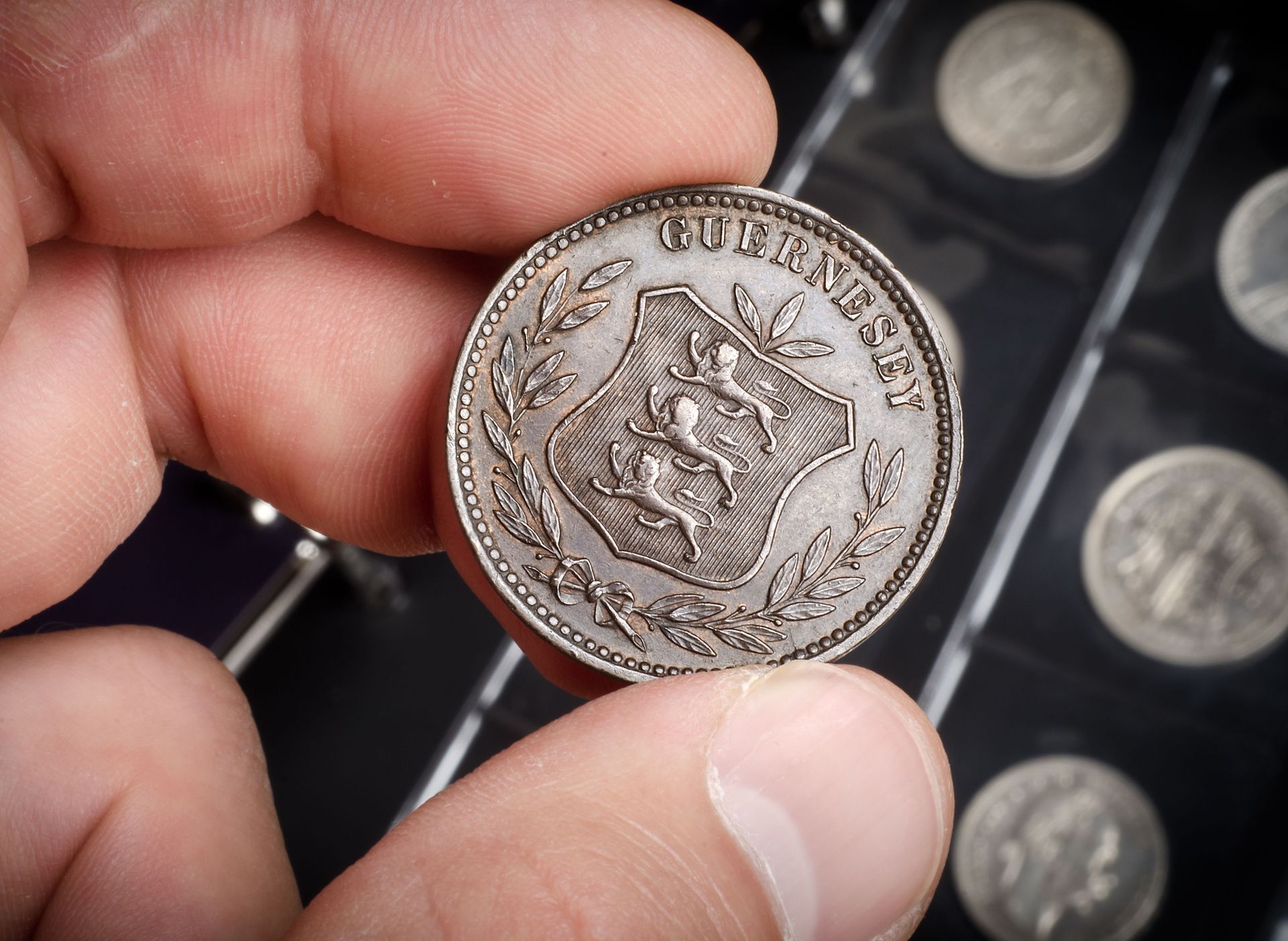
One of the most practical advantages of visiting a local coin shop is the ability to examine items directly. Photographs can provide useful information, but they may not show every detail that influences a coin's condition or authenticity. Under appropriate lighting, collectors can observe surface marks, wear patterns, edge details, and other characteristics that may be difficult to assess through a screen. Reputable coin dealers can explain what to look for and why particular features matter. In-person examination also allows buyers to ask questions about the coin's background, grading, and available documentation. Sellers may benefit from having several pieces evaluated during one visit, particularly when handling an inherited collection. Although a visual inspection cannot always establish authenticity conclusively, it can help identify items that warrant additional examination or professional grading. Taking time to inspect coins carefully supports more confident purchasing and selling decisions.
Building Trust Through Personal Relationships
Establishing a relationship with a local specialist can make collecting more approachable, especially for people who are just starting out. Instead of researching every question independently, collectors can develop an ongoing conversation with someone familiar with their interests. Reliable coin dealers can explain industry terminology, discuss collecting strategies, and help customers understand the differences between various types of coins. Over time, a professional may also become familiar with a collector's preferences, budget, and long-term goals. This familiarity can make future discussions more productive when interesting pieces become available or a collection needs to be reassessed. However, customers should still compare offers, ask for clear explanations, and review transaction terms before committing to a purchase or sale. Professionalism, transparent communication, and a willingness to answer questions are useful signs when evaluating a dealer. A positive working relationship can provide ongoing educational value beyond individual transactions.
Accessing a Broad Range of Collectible Coins
Coin collecting covers a wide range of interests, from historic American currency and commemorative issues to foreign coins and precious metal pieces. Some collectors focus on specific dates or mint marks, while others build collections around historical periods, designs, or particular denominations. Local coin dealers may offer access to different categories of coins and help customers identify items that match their collecting interests. Visiting a shop also creates opportunities to discover pieces that a collector might not have considered while browsing online listings. Availability varies by business, so customers should ask about specific items before making a trip. A local professional may also be able to explain the differences between collectible coins, bullion products, and ordinary currency. Understanding these categories helps buyers evaluate what they are purchasing and why it may interest them. Exploring different options can make collecting more engaging while helping people develop a clearer direction for their collections.
Evaluating Authenticity and Reducing Purchasing Risks
Authenticity is an important consideration when buying collectible coins, particularly when dealing with rare or expensive examples. Counterfeit coins and altered pieces can sometimes resemble genuine items, making careful evaluation essential. Reputable coin dealers use their knowledge of coin characteristics, market standards, and available verification methods to assess the pieces they handle. Buyers should ask questions about a coin's provenance, certification, and return policy when appropriate. Third-party grading services may provide additional information about authenticity and condition, although certification should still be verified when purchasing valuable items. Collectors should be cautious about offers that promise unusually high returns or create pressure to make immediate decisions. A local transaction allows buyers to discuss concerns directly and review the item before completing a purchase. Combining professional guidance with independent research can reduce avoidable risks and support more responsible collecting decisions.
Navigating the Coin Market With Better Information
The coin market can be difficult to navigate because prices depend on several factors that may change over time. A coin's catalog value, for instance, may differ from the amount a buyer is currently willing to pay. According to NGC Coin Grading, there are approximately 3,000 to 4,000 authorized dealer locations throughout the U.S., illustrating the availability of professional resources for collectors. Experienced coin dealers can help customers understand the distinction between estimated retail prices, actual market demand, and offers made when purchasing coins from the public. Sellers should also recognize that dealers generally need to account for business expenses, inventory risks, and the possibility of reselling an item. As a result, a dealer's buying offer may be lower than the price at which a similar coin is listed for sale. Asking how an estimate was determined can provide useful insight into the transaction. Comparing multiple reputable sources is another practical way to evaluate an offer before making a final decision.
Selling Inherited Coins With Greater Confidence
Inheriting a coin collection can bring both sentimental value and uncertainty, especially when the recipient has limited knowledge of numismatics. Collections may contain ordinary circulated coins, valuable rarities, precious metal pieces, or a mixture of different items. Before selling, it is helpful to organize the collection and avoid cleaning coins, since cleaning can damage their surfaces and reduce collector appeal. Local coin dealers can examine individual pieces, explain which characteristics may influence their value, and help sellers understand their options. An initial evaluation can also identify coins that deserve additional research or independent grading. Families should consider documenting important pieces and discussing whether any coins have historical or sentimental significance before deciding to sell them. There is no need to rush into a transaction simply because the collection is unfamiliar. Taking time to understand what is present can help sellers make decisions that reflect both financial considerations and personal priorities.
Making Local Coin Collecting More Rewarding
Coin collecting can become more enjoyable when people have access to useful information, opportunities to examine pieces, and guidance that supports their interests. Local expertise can help collectors understand coin values, explore new categories, evaluate potential purchases, and make informed decisions when selling items. Working with knowledgeable coin dealers also gives beginners an opportunity to learn about authenticity, condition, and the factors that influence market demand. Collectors who inherit coins can benefit from a careful evaluation before deciding how to manage the collection. Those with established collections may appreciate having a convenient resource for questions, future purchases, or selling opportunities. Every transaction should still involve reasonable research and a clear understanding of the terms. By combining professional guidance with personal knowledge, collectors can approach the hobby with greater confidence and appreciation.
Whether you are beginning a collection, evaluating inherited coins, or looking for your next collectible piece, contact The Numismatic Gallery to discuss your interests and explore the available options. A knowledgeable team can help you take the next step toward making informed decisions about your coins.